

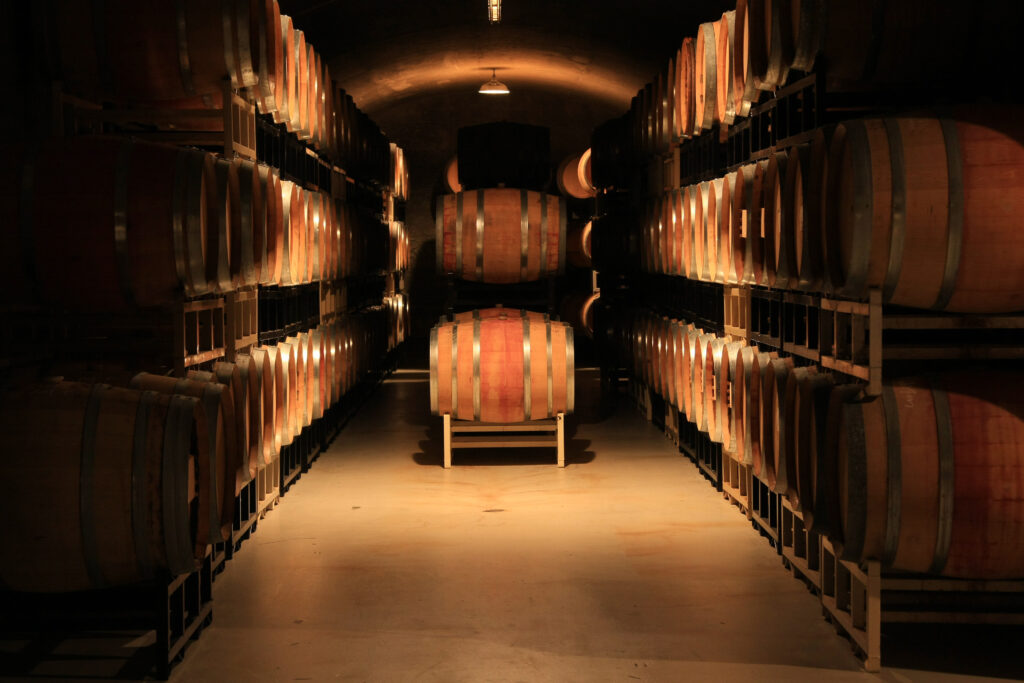
Wine aging is a slow process. Years of work can be influenced by the environment in which wine is stored. While temperature often gets the most attention, humidity plays an equally important role in preserving wine quality over time within the wine cellar environment.
Proper wine aging humidity control helps support cork integrity, moderate evaporation losses, and create stable cellar conditions for barrel aging and bottle storage. For vintners and cellar managers, maintaining consistency is one of the best ways to protect both the wine and the character that develops during wine maturation.
Why Humidity Matters During Wine Aging
Wine continues to evolve long after fermentation. Tannins soften, aromas become more complex, and flavors develop with time. These changes depend on stable cellar conditions and a consistent wine cellar environment.
Humidity affects the interaction between the wine, the barrel, and the cork. Low humidity can accelerate evaporation and dry natural corks. Excessive moisture can create housekeeping issues and promote mold growth.
Maintaining proper humidity for wine aging helps wineries establish consistent wine storage conditions that support predictable maturation.
Whether aging wines in barrels or bottles, the environment surrounding the product matters just as much as the product itself.
How Cork Integrity Protects Wine
Natural cork has served as a closure for centuries because it provides a reliable seal while allowing very small amounts of oxygen transfer. This controlled exchange contributes to the aging process and helps shape the final flavor profile.
Cork is a natural material. Like wood, it responds to moisture in the surrounding air.
When humidity levels fall too low, corks may gradually lose moisture and shrink. Over time, this can increase oxygen exposure and affect wine quality.
Maintaining humidity in wine cellars helps preserve cork integrity and protect wines intended for long-term storage.
Healthy corks support:
- Balanced aging
- Aroma preservation
- Reduced oxidation risk
- Long-term stability
- Consistent bottle performance
Protecting the cork means protecting the wine inside.
Understanding Angel’s Share and Evaporation Losses
Every winery is familiar with the angel’s share.
The term refers to the natural evaporation that occurs while wine ages in oak barrels. Some loss is expected and even contributes to concentration and complexity. However, excessive evaporation losses can reduce yields and create additional topping requirements.
Humidity influences how quickly moisture leaves the barrel.
Dry air tends to increase evaporation. This can lead to larger volume losses and greater differences between barrels.
Managing humidity does not eliminate the angel’s share. Instead, it helps keep losses within a more predictable range and supports greater consistency throughout barrel aging.
For wineries managing large barrel programs, even small differences in evaporation can become significant over time. Vintners rely on a MicroCool humidification system to reduce angel’s share. Learn how MicroCool supports barrel storage for wineries.
How Oak Barrels React to Humidity
Oak barrels are more than storage vessels. They are active participants in the aging process.
Wood absorbs and releases moisture depending on the surrounding environment. When humidity drops, barrel staves can dry and contract. As the wood shrinks, the stress on joints increases and the risk of leakage may rise.
Stable humidity helps barrels maintain their structure and supports long-term performance.
Proper humidity can help:
- Support stave stability
- Reduce leakage risks
- Moderate evaporation losses
- Extend barrel life
- Promote consistent barrel aging
This is especially important in facilities with extensive oak barrel storage, where maintaining environmental consistency protects both the wine and the investment in barrels.
Humidity Influences Flavor Development
Wine maturation is a gradual process. The interaction between oxygen, tannins, acids, and aromatic compounds creates the complexity that develops over time.
Humidity affects this process indirectly through cork performance and barrel behavior.
Excessive evaporation or increased oxygen exposure can influence how flavors evolve. Stable conditions support a more predictable aging process and help preserve the balance intended by the winemaker.
Over time, wines develop:
- Softer tannins
- Greater aromatic complexity
- Improved integration
- Enhanced texture
- More refined flavor profiles
These changes are influenced by years of steady cellar conditions rather than sudden environmental fluctuations.
Consistency is often one of the quiet factors behind exceptional wines.
Creating Stable Wine Storage Conditions
Every vintage represents years of effort. Maintaining proper wine storage conditions helps preserve that investment.
Stable conditions benefit:
- Bottled wine
- Reserve collections
- Barrel rooms
- Library vintages
- Special releases
A healthy wine cellar environment supports both short-term and long-term aging goals.
Consistency also helps reduce unwanted variation between vintages and storage areas.
As facilities expand, maintaining humidity in wine cellars becomes increasingly important for preserving quality across large inventories.
Temperature and Humidity Control Work Together
Temperature and humidity should not be viewed separately. They work together to create conditions that support proper aging.
Cooling systems maintain temperature, but they may not provide the moisture needed to support long-term wine preservation.
Balanced temperature and humidity control helps maintain stable cellar conditions and reduces the effects of seasonal changes.
This combination supports:
- Cork integrity
- Barrel stability
- Predictable wine maturation
- Reduced evaporation losses
- Long-term quality
Environmental consistency has always been one of the foundations of successful wine storage.
Why Consistency Matters More Than Perfection
There is no single number that guarantees great wine. Different wineries and aging programs have different goals.
What matters most is consistency. Maintaining proper humidity is one thing. Delivering it consistently across barrel rooms and storage areas is another. Commercial wineries use dedicated winery humidity control systems to create stable conditions throughout the cellar.
Large swings in humidity can place stress on corks and barrels. Stable conditions allow wine to mature gradually and predictably.
Many of the world’s most respected wines spend years developing in climate-controlled wine storage environments designed to minimize fluctuations.
Time remains one of the most important ingredients in winemaking. The environment simply allows time to do its work.
Protecting Wine Through Every Stage of Aging
Wine preservation begins long before the bottle reaches a customer.
From barrel aging to long-term storage, maintaining proper humidity helps support cork integrity, moderate evaporation losses, and preserve the conditions that allow wine to mature gracefully.
For vintners and cellar managers, wine aging humidity control is not about chasing perfection. It is about creating a stable environment where each vintage has the opportunity to express itself over time.
Because great wine is not rushed. It is guided by patience, craftsmanship, and the conditions that allow it to evolve naturally.
Q&A
Question: Why does humidity matter as much as temperature in wine aging and storage?
Short answer: Humidity helps preserve cork integrity, moderate evaporation (the angel’s share), and maintain stable cellar conditions, all of which support predictable maturation. While temperature guides the pace of aging, proper humidity prevents drying, leakage, and unwanted oxygen exposure in both barrels and bottles, protecting wine quality over time. Read more about storing wine and the effects of temperature and humidity.
Question: How does low or high humidity affect corks and wine quality?
Short answer: Low humidity can dry and shrink natural corks, increasing oxygen ingress and risking oxidation and quality loss. Excessive moisture doesn’t benefit wine and can create housekeeping issues and promote mold growth. Maintaining appropriate humidity preserves cork integrity and supports long-term bottle performance.
Question: What is the angel’s share, and can humidity control prevent it?
Short answer: The angel’s share is the natural evaporation that occurs during barrel aging. Humidity influences its rate—dry air accelerates losses—so managing humidity won’t eliminate evaporation but keeps it within a predictable range, reducing volume loss variability and topping needs across barrels.
Question: How does humidity influence oak barrel performance and longevity?
Short answer: Oak staves absorb and release moisture with environmental changes. When humidity drops, wood can contract, stressing joints and raising leakage risk. Stable humidity supports stave stability, moderates evaporation, extends barrel life, and promotes consistent aging—especially important in large barrel programs.
Question: Is there a single ideal humidity level, and how should temperature and humidity be managed together?
Short answer: There’s no one “perfect” number; consistency matters most. Large swings in humidity stress corks and barrels, while steady conditions enable gradual, predictable maturation. Temperature and humidity should be balanced together—cooling alone may not supply needed moisture—so integrated control helps maintain cork integrity, barrel stability, and long-term wine quality.