

Condenser Coil and Process Cooling Systems
How a MicroCool Fogging System for Air Cooled Condensers Works

Systems are automated for peak demand control ensuring seamless operation and efficiency.
High heat reduces air-cooled condenser efficiency, making equipment work harder to maintain desired temperatures. The MicroCool system uses fog nozzles to cool condenser coils, employing flash evaporation to lower temperatures by up to 20°F (11°C). Industries worldwide rely on our advanced process cooling solutions to maximize energy savings, reliability, and longevity.
Standard pump sizes range from 1-25 US gpm (3.78-94.64 L/m) equipped with advanced controls. A custom design that fits your requirements.
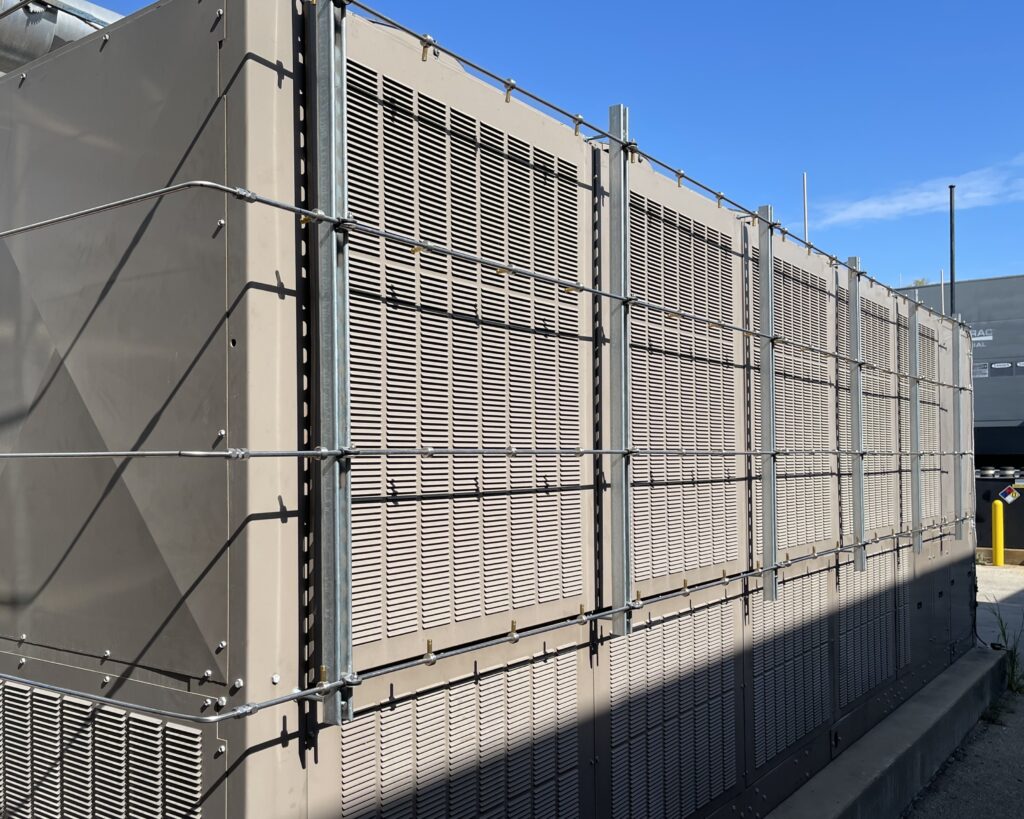
Powerful Results
The “flash evaporation” of water has long been known to drastically reduce air temperatures in hot climates. MicroCool’s water condenser coil process cooling systems meld this age-old principle with the latest technology, achieving dramatic benefits.
- Higher cooling efficiency — The cooling potential of one MicroCool nozzle is the equivalent of about one ton of air conditioning!
- Reduced costs — Reduced energy consumption and equipment maintenance.
- You’re in control— You’re in control— Your systems only run when they are needed, at temperature peaks and when conditions are right for optimal atomization.
- Water savings — The MicroCool condenser coil cooling system uses significantly less water compared to spray and pad systems, and a fraction of the water used for cooling towers.
Cooling Natural Gas Pipeline Stations – A Case Study
MicroCool’s evaporative pre-cooling system optimizes the cooling efficiency of air handling units and condenser systems that struggle to cope with excessive heat and reduced efficiency during hot weather. By utilizing high-pressure fog, the system effectively reduces the ambient air temperature in the immediate surroundings. This enables compressors to operate at optimal production levels and remain online even in scorching weather conditions.
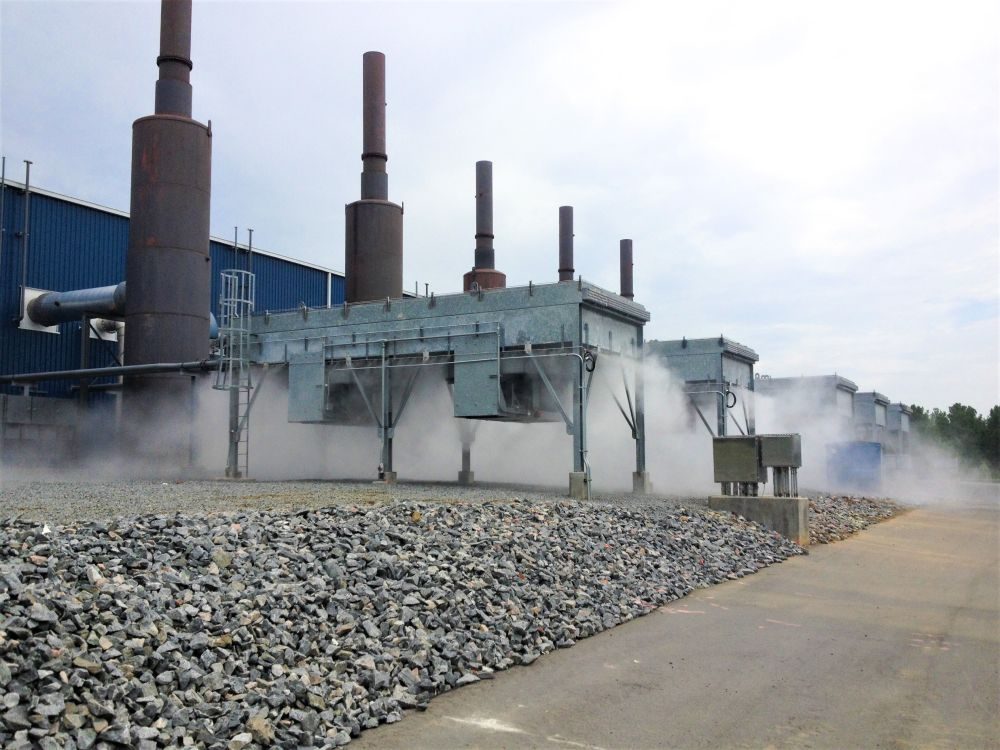

Conserving Water
A MicroCool adiabatic process cooling system uses significantly less water than spray and pad systems – and a fraction of the water consumed by cooling towers. In addition to saving a precious resource, you save bottom-line dollars.
Temperature and relative humidity sensors help ensure that process cooling applications run only when they’re most effective. Industrial grade controls help determine the operational effectiveness of the cooling system depending on varying climate conditions.
How MicroCool Does It Better
Energy-saving technology. Fog cooling lowers the ambient temperature of the air entering the condenser which reduces the head pressure. By preventing overloads and keeping condensers running during peak temperatures, processes and computers stay cool. By reducing downtime and excessive usage during high-rate periods, operations can reduce operational costs and increase performance. By using the data provided by MicroCool, you can calculate your ROI and learn how lowering inlet air temperatures will increase efficiency, reduce your operating costs and prevent costly downtime.
Additional MicroCool system technology enhancements include:
- UV filters — Eliminate up to 99% of waterborne bacteria
- Nozzles placed in front of the coils — Increases efficiency by cooling the air moving over the coil, reducing energy consumption and costly maintenance
- Water-saving design — Each nozzle uses less than 1.5 USGPH (6LPH)
- Continuous control — Your condenser mist cooling systems operate only when they are the most effective, never wasting water by running outside of their high-efficiency zone.

Low Cost, Long Life, High Performance
Reduced energy costs
Designed to conserve electricity, A MicroCool system not only reduces power consumption to stay in lower tariff zones, but you’ll also use 60% less water compared to utilizing sprinklers and hoses for immediate cooling of condenser coils during periods of high demand.
Review an independent study, Review an independent study, commissioned by Southern California Edison which validates the energy usage achieved by evaporative fogging.
Lean and green
MicroCool’s condenser mist cooling systems use the latest control technology to optimize energy regain and improve cooling. Your systems won’t waste water by running outside of their high-efficiency zone. Furthermore, environmental sensors maintain constant monitoring of ambient conditions, promptly triggering additional cooling when required to ensure peace of mind for equipment operators.
Extended equipment life
Don’t replace – refresh! MicroCool’s pre-cooling air conditioning equipment is often used to increase the performance of older, “tired” condensers—an alternative to installing replacement or extra cooling units. Cooler running means less strain, better performance, reduced maintenance and repair costs, and longer life, with fewer or zero “high head” incidents.
Less Maintenance
MicroCool’s water condenser coil cooling systems are the optimal evaporative cooling solution for many different cooling-related processes, including:
- Air-cooled condenser coils for air conditioning units
- Air-cooled refrigeration units and coolers for cold storage
- Air-cooled heat exchangers and LNG applications
- Geothermal cooling processes and air-cooled industrial chillers
- Data storage and Colocation Center Cooling
Let us help you with a no-cost condenser coil cooling consultation
Air-Cooled Condenser Cooling FAQ
What is air-cooled condenser cooling?
Air-cooled condenser cooling uses high-pressure evaporative fog to lower inlet air temperature, reduce head pressure, and improve the efficiency and capacity of air-cooled systems during extreme heat.
How do you improve air-cooled condenser performance in extreme heat?
Lower the temperature of the air entering the condenser. Evaporative fogging restores the temperature difference across the coil, which improves heat rejection, reduces compressor lift, and stabilizes performance during peak daytime conditions.
Why do air-cooled systems lose capacity during high temperatures?
As ambient air temperature rises, the condenser cannot reject heat as effectively. The reduced temperature difference forces compressors to work harder, increases head pressure, and limits cooling capacity when demand is highest.
Does evaporative cooling reduce head pressure in air-cooled condensers?
Yes. By cooling the inlet air, evaporative systems directly reduce condensing temperature and head pressure. This lowers compressor strain and improves overall system efficiency.
How much energy can air-cooled condenser cooling save?
Energy use drops as head pressure and compressor workload decrease. Savings vary by climate and system load, but reductions are most noticeable during peak heat when systems would otherwise run at maximum capacity.
Where should evaporative cooling be applied on an air-cooled condenser?
Cooling is applied at the air intake side of the condenser. This ensures the air is cooled before it passes through the coil, improving heat transfer without interfering with airflow.
Is evaporative cooling safe for condenser coils and equipment?
Yes. When supplied with properly treated reverse osmosis (RO) water, evaporative cooling is safe for condenser coils. Low total dissolved solids (typically below 10 ppm) prevent mineral deposition, scaling, and residue buildup, helping protect coil surfaces and maintain long-term system performance.
What kind of water is required for condenser cooling systems?
Treated water is recommended, typically reverse osmosis with filtration. This prevents mineral buildup and protects both the fogging system and the condenser coil.
Can condenser cooling systems operate automatically?
Yes. Systems can be triggered by ambient temperature or system demand. Variable frequency drives adjust output to match conditions, maintaining efficiency without unnecessary operation.
Is this solution better than upgrading HVAC equipment?
In many cases, yes. Replacing air-cooled systems requires significant investment and can be disruptive. Evaporative condenser cooling improves performance under peak heat, reduces energy demand, and extends equipment life while avoiding the cost of full system replacement.
What industries benefit most from air-cooled condenser cooling?
Facilities with high cooling demand and exposure to extreme heat benefit most, including data centers, telecom infrastructure, manufacturing plants, warehouses, and cold storage operations.
Does condenser cooling help prevent system failures in heat waves?
Yes. Condenser cooling directly addresses the conditions that lead to failure during extreme heat. By lowering head pressure and stabilizing system operation, it helps prevent trips, overloads, and loss of cooling capacity when demand is highest.