

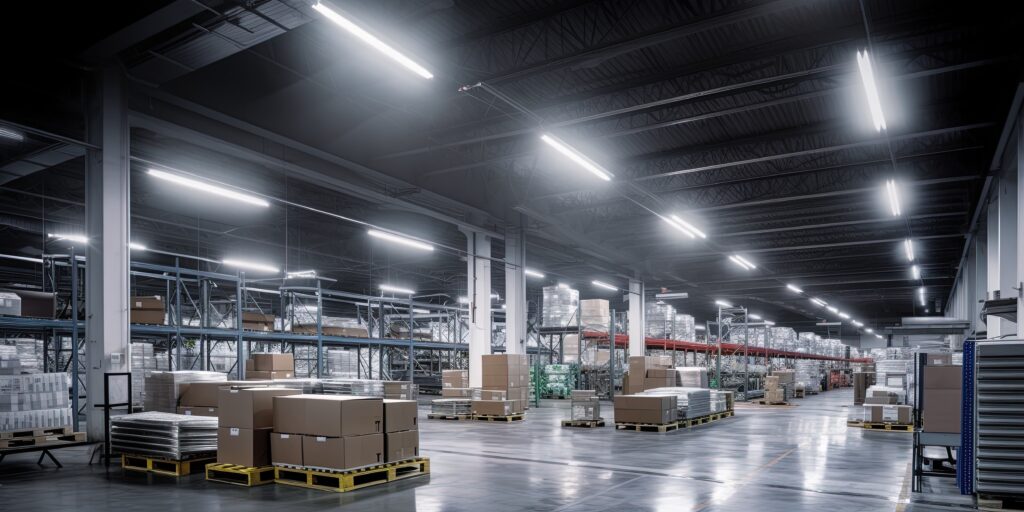
Commercial humidifiers play a crucial role in maintaining indoor air quality in large spaces. They help regulate humidity levels, ensuring comfort and health as part of broader commercial humidification.
Different types of commercial humidifiers cater to various needs. From commercial ultrasonic humidifiers to steam-based systems, each offers unique benefits.
Choosing the right commercial humidification system can be challenging. It requires understanding the specific needs of your space and its occupants.
Proper humidity levels can prevent issues like static electricity and respiratory problems. They also protect equipment and preserve materials. A well-selected commercial humidifier supports both goals.
This guide will explore the types, benefits, and selection criteria for commercial humidifiers. It aims to help you make an informed decision about commercial humidification systems.
What Are Commercial Humidifiers?
Commercial humidifiers are vital devices used to control humidity levels in large environments. They are often installed in places like offices, warehouses, and hospitals. These commercial humidification systems help maintain a stable and comfortable indoor climate.
They work by adding moisture to the air, preventing dryness that can lead to discomfort and damage. Maintaining proper humidity levels is essential for health, protecting both people and equipment. Without proper humidity control, spaces can become dry and inhospitable.
Key Functions of Commercial Humidifiers:
- Regulate indoor humidity levels
- Enhance comfort for occupants
- Preserve equipment and building structures
Understanding their role is the first step in choosing the right system for your needs.
Types of Commercial Humidifiers
Selecting the right commercial humidifier is crucial for effective humidity control. Various types cater to different needs and settings. Each type has unique features and benefits that suit specific environments.
Major Types of Commercial Humidifiers:
- Commercial Ultrasonic Humidifiers
- Steam-Based Systems
- High-Pressure Evaporative Humidifiers
These systems differ in how they introduce moisture into the air. Commercial ultrasonic humidifiers use sound waves, while evaporative ones rely on air passing through wet filters. Steam systems, on the other hand, heat water to produce steam.
Choosing the appropriate type involves understanding the space requirements and the specific environmental conditions. Each system has its pros and cons, which influence performance and cost. Ensuring the right match can enhance both efficiency and comfort.
Commercial Ultrasonic Humidifiers
A commercial ultrasonic humidifier is known for precision and quiet operation. They use high-frequency sound waves to create a fine mist. This mist quickly disperses, effectively humidifying large areas.
Advantages of Ultrasonic Humidifiers:
- Energy-efficient operation
- Quiet performance
- Precise humidity control
These units are often preferred in environments where noise levels matter, such as office spaces. Their energy efficiency makes them a cost-effective choice for many businesses.
Steam-Based Systems
Steam-based systems generate steam through boiling water, which is then released into the air. They can effectively handle large volumes of air and achieve higher humidity levels when necessary.
Both systems cater to specific needs, with steam systems being ideal for industrial applications requiring robust humidification solutions as part of commercial humidification systems.
High-Pressure Evaporative Humidification Systems
High-pressure evaporative humidification systems are an advanced option for maintaining optimal humidity levels in large commercial spaces. Unlike traditional evaporative systems, which rely on low-pressure water distribution, high-pressure systems use a pump to atomize water into very fine droplets, allowing for more efficient and rapid evaporation.
Advantages of High-Pressure Evaporative Systems:
- Efficient Humidity Control: They effectively saturate the air with moisture, making them suitable for environments with specific humidity requirements.
- Energy Savings: These systems often consume less energy compared to steam-based systems, making them a cost-effective choice in the long run.
- Low Maintenance Needs: High-pressure systems typically require less frequent maintenance due to their robust design and efficient operation.
Applications
These systems are especially beneficial in industrial settings, greenhouses, and large commercial spaces where controlling humidity is essential for processes, comfort, and equipment protection. They not only enhance air quality but can also reduce temperature loads, leading to more energy-efficient cooling.
Key Benefits of Commercial Humidification Systems
Commercial humidification systems offer myriad advantages, contributing significantly to maintaining indoor air quality. Proper humidity levels can prevent issues like static electricity and dry skin. This not only enhances comfort but also supports respiratory health, reducing illnesses related to dry air.
Moreover, maintaining optimal humidity levels protects equipment and materials. It helps avoid shrinkage and cracking in wooden structures and prevents static damage to electronic devices. This preservation extends the lifespan of valuable assets.
Advantages of Using Commercial Humidifiers:
- Improved air quality
- Increased equipment longevity
- Enhanced comfort and health
In many facilities, commercial humidification integrates with existing HVAC systems for seamless operation and improved energy efficiency. This can result in lower operational costs while achieving desired humidity levels.
Additionally, well-maintained humidity levels can boost employee productivity and reduce absenteeism. A comfortable work environment promotes well-being and efficiency, making commercial humidifiers a wise investment for workplaces. Overall, the benefits of these systems go beyond mere moisture control, influencing both economic and health-related factors positively.
How to Choose the Right Commercial Humidifier
Selecting the appropriate commercial humidifier depends on several crucial factors. Begin by assessing the size and layout of your space. Large areas may require multiple units or systems with higher capacities for effective humidity control.
Consider the specific needs of your environment. For instance, manufacturing or healthcare facilities might have different humidity requirements compared to office spaces. According to guidance from ASHRAE, maintaining moderate indoor humidity levels—commonly around 40–60% relative humidity—can support comfort and indoor air quality. Industry-specific needs can significantly influence the type of system you choose.
Important Considerations:
- Space size and layout
- Environment and usage
- Energy efficiency and cost
Energy efficiency is another key consideration. Investing in a system that offers lower operational costs can lead to savings in the long term. It’s vital to weigh the initial investment against potential energy savings and maintenance needs.
Lastly, consider advanced features like digital controls and remote monitoring. These features can simplify operation and ensure that humidity levels are consistently maintained, providing convenience and peace of mind. Selecting the right commercial humidifier is a balance between capacity, efficiency, and technological capabilities.
Maintenance and Best Practices
Regular maintenance is crucial for the effective operation of commercial humidifiers and broader commercial humidification systems. Consistent upkeep not only ensures optimal performance but also prolongs the lifespan of the system. Neglecting maintenance can lead to inefficiencies or even damage to the humidifier.
Certain best practices should be followed to maintain your system efficiently. Start by scheduling routine inspections and cleaning. Regularly check and replace filters to prevent clogs and maintain air quality.
Maintenance Tips:
- Schedule regular inspections
- Clean the system periodically
- Replace filters as needed
Address minor issues promptly to prevent them from escalating into major problems. Proper maintenance of your commercial humidifier can save time, reduce repair costs, and maintain a healthy indoor environment.
Conclusion
Choosing the right commercial humidifier is a vital step in enhancing indoor air quality. With various types and features available, understanding your specific needs is essential.
Investing in a suitable commercial humidification system not only improves comfort but also safeguards equipment and health. Carefully evaluate your options and maintain the system properly. You will achieve a productive and healthy environment that benefits everyone involved.
Q&A
Question: What are commercial humidifiers and why are they important?
Short answer: Commercial humidifiers are devices that add moisture to the air in large environments like offices, warehouses, and hospitals. By regulating indoor humidity, they enhance comfort and support respiratory health while protecting equipment, materials, and building structures from damage caused by dry air.
Question: What are the main types of commercial humidifiers and how do they differ?
Short answer: The major types of commercial humidifiers include:
- Commercial Ultrasonic Units: Utilize high-frequency sound waves to create a fine mist, providing quiet, energy-efficient, and precise control.
- High-Pressure Evaporative Systems: Use a pump to atomize water into fine droplets for efficient evaporation, suitable for specific humidity requirements and low maintenance.
- Steam-Based Systems: Boil water to produce steam, effectively handling large air volumes and achieving higher humidity levels, ideal for industrial applications.
Question: How do I choose the right commercial humidifier for my space?
Short answer: Start by assessing the space size and layout—larger areas may need higher-capacity systems or multiple units. Consider your environment and usage; for example, manufacturing or healthcare settings may have different requirements than offices. Weigh energy efficiency and total cost (initial and operational), and look for helpful features like digital controls and remote monitoring to maintain consistent humidity with ease.
Question: What benefits can I expect from proper commercial humidification?
Short answer: Proper humidity improves air quality and comfort, helping reduce issues like static electricity, dry skin, and respiratory problems. It also protects equipment and materials—preventing wood shrinkage/cracking and static damage to electronics—which extends asset lifespans. When integrated with existing HVAC, systems can operate seamlessly and more efficiently, potentially lowering operational costs. Better comfort can also support productivity and reduce absenteeism.
Question: What maintenance and best practices keep systems performing well?
Short answer: Schedule regular inspections, clean components periodically, and replace filters as needed. Address minor issues promptly to prevent larger problems. Consistent maintenance sustains performance, prolongs system lifespan, reduces repair costs, and helps maintain a healthy indoor environment.